


1. The history of relations between the Inter-Parliamentary Union and the Republic of Serbia
The official cooperation between the Union and Serbia as a sovereign state and entity having international legal capacity started exactly 135 years ago and has persisted uninterrupted until the present time under different international circumstances, which never influenced or questioned either the form or the content of this cooperation.
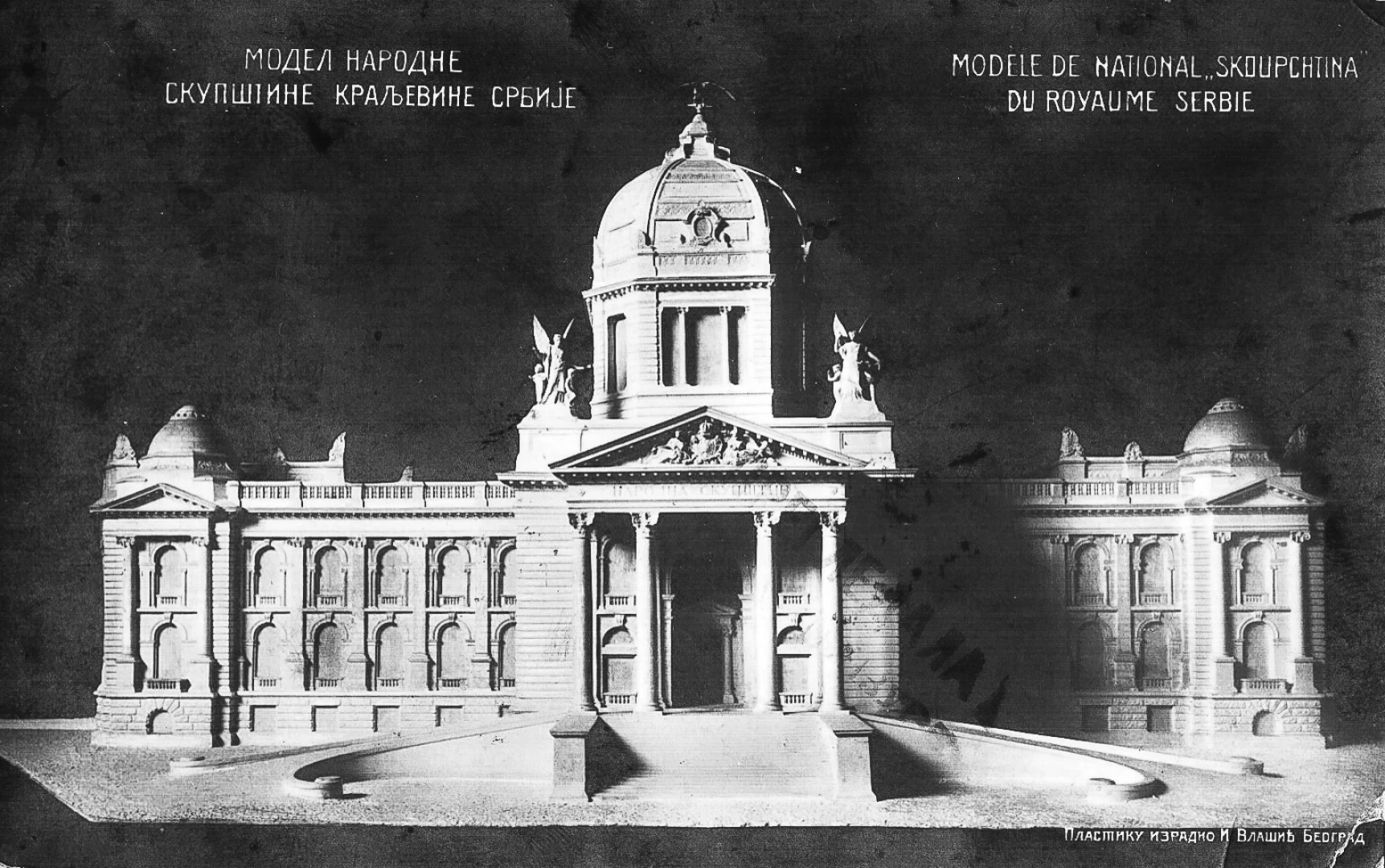
Already at the Third Regular Conference of the newly founded Inter-Parliamentary Union, held in Rome in 1891, the Kingdom of Serbia (at the time ruled by the Obrenović Dynasty) officially participated in the IPU’s proceedings as a young state, still not affirmed internationally.
This gave rise to the interest of Serbia to become involved in international activities, which was driven by the converging needs for international affirmation and dispersion of foreign policy relations after the Berlin Congress and international recognition.
The Kingdom of Serbia at that time recognized the Inter- Parliamentary Union as an opportunity to achieve its statehood and national foreign policy goals and decided to get actively involved in the work of the Inter-Parliamentary Union, thus formalising the cooperation with it.
After the Great War, in 1928, the Kingdom of Serbs, Croats, and Slovenes formalised its cooperation with the Inter-Parliamentary Union based on the continuity of relations that the Kingdom of Serbia established with the IPU in 1891.
The decision was made on the basis of the Royal Government’s and the Karađorđević Dynasty’s assessment of the need for the state to play a more active role at the international level, due to the state of play of relations with its neighbours and the peril of these relations changing to the detriment of the Kingdom.
Besides joining the Inter-Parliamentary Union, that same year the Kingdom of SCS acceded to the famous Kellogg–Briand Pact, which outlawed war as a means of resolving disputes and guaranteed borders, which was also supported by the Inter- Parliamentary Union as it was working along its proclaimed goals.
With this approach, the Kingdom SCS joined the Inter-Parliamentary Union in a way that also supported the idea of the European Union promoted by certain political circles in Europe, headed by the French Minister of Foreign Affairs, Aristide Briand.
In this context, at the 1930 London Conference, the Inter-Parliamentary Union opened a debate on the idea of a European Union and proposed a scheme that was supported by the Kingdom of Yugoslavia but not backed by the majority, so the idea was not institutionalized.
At that time, the Kingdom of Yugoslavia already supported the idea of a European Union and acted in alignment with the Inter-Parliamentary Union on this issue.
.webp "The Program of the IPU Conference in Prague,1928")
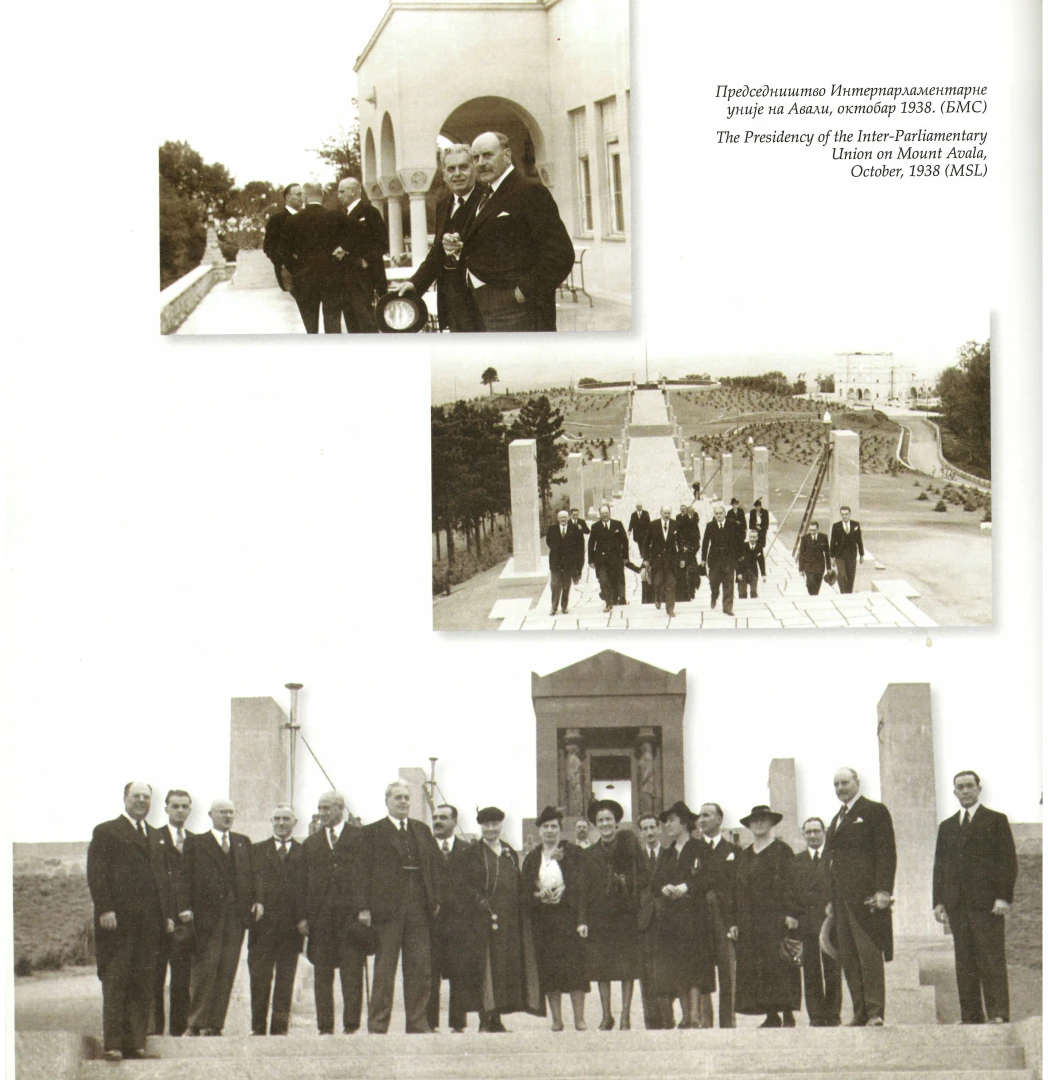
In the period until World War Two, the Kingdom of Yugoslavia regularly partook in the work of the Inter- Parliamentary Union and supported the majority efforts towards peace and disarmament, keeping in mind the overall negative development of international relations on the one hand, and the proclaimed goals of the Union on the other. After World War Two, the new Yugoslavia continued to participate in the work of the Inter-Parliamentary Union as soon as it was resumed in Cairo 1947.
Yugoslavia was especially active in the period before and after the creation of the Non-Alignment Movement in Belgrade in 1961, as a very influential actor in international relations globally, which impacted its relevance in the Union and its relations with the Union.
This was best demonstrated at the 51st Conference of the Inter-Parliamentary Union, held in Brasilia in October 1962, at the time of the well-known „Cuba crisis“, when the two superpowers, the USA and the USSR, were on the brink of war.
After a long debate, the Yugoslav delegate to the Union, Mladen Iveković, stated:
„I will not read my prepared speech. The war can at any moment interrupt our discussion under the agenda. We must make a serious and unanimous effort to save peace“,
after which he proposed to the Conference to send an appeal to the Governments of the USA and USSR, which was in effect done, and which yielded results already during the Conference, as Khrushchev and Kennedy, in direct communication, prevented the escalation of the crisis.
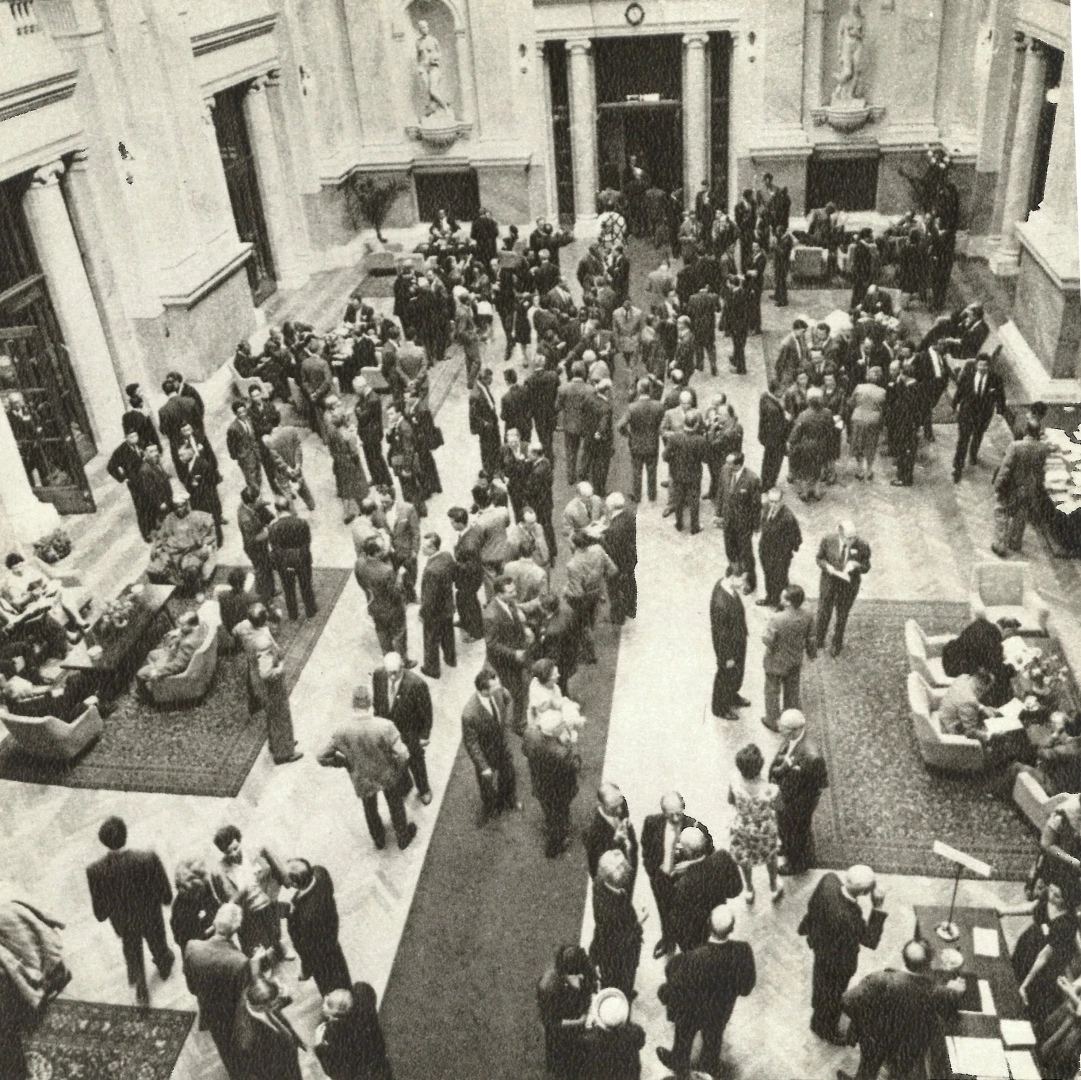
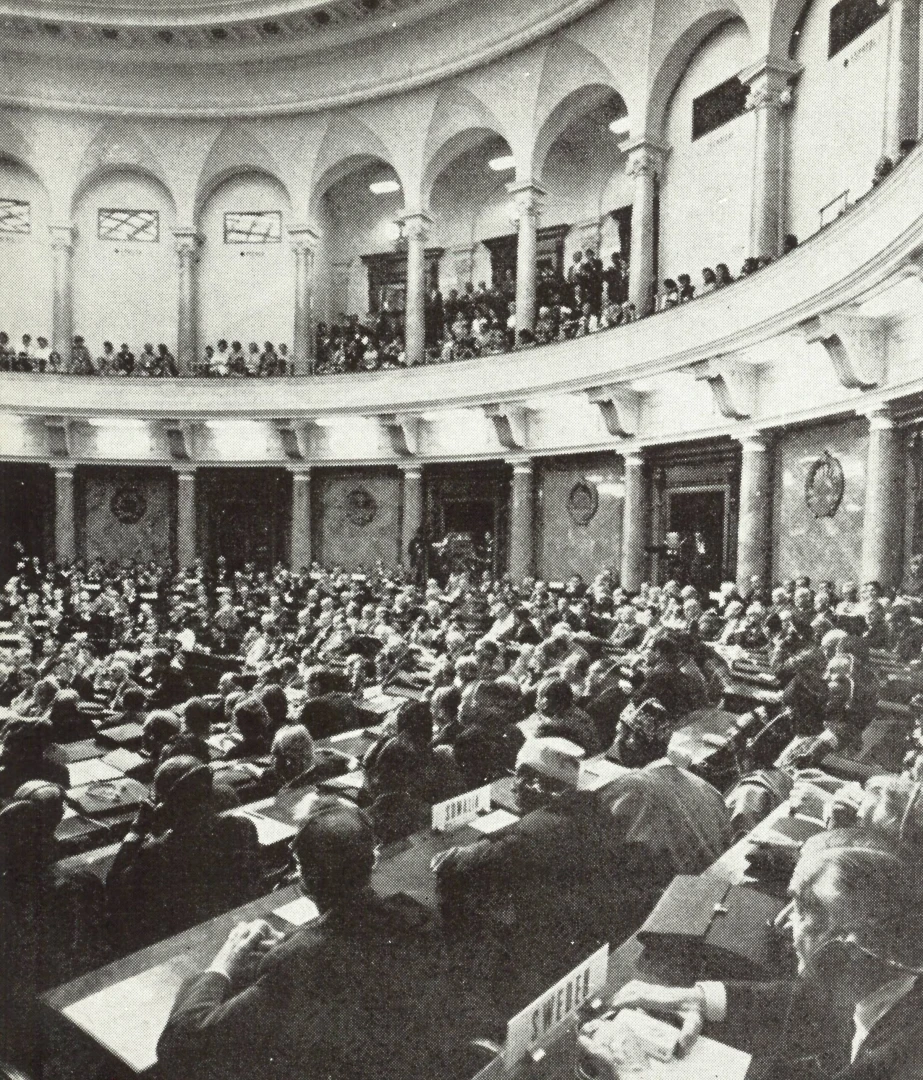
With such international leverage, Yugoslavia hosted the 52nd Annual Conference of the Inter- Parliamentary Union in Belgrade, remembered for its spirit of a renewed opening of relations between the superpowers.
The adopted documents of the Belgrade Conference reaffirmed the significance of preserving peace, safeguarding nature and exploiting resources for peace purposes, as well as continued efforts to contribute to disarmament, support development and fight discrimination.
After this, the relations continued to develop depending on the changes that Yugoslavia was facing at the end of 1980’s and 1990’s. The Inter- Parliamentary Union had an active approach to the events taking place in the territory of former Yugoslavia and maintained contacts with its Assembly.
In this respect, it kept an eye on the developments in former Yugoslavia, which was confirmed by resolutions it adopted attempting to influence the situation and support the processes in line with the goals of the organisation.
With such an approach and political position, the Inter-Parliamentary Union confirmed its commitment to the principles and the rule of international law and political impartiality, Which remained the foundation of its approach throughout the period of conflict in the territory of former Yugoslavia during the 1990’s.
2. The current state of relations between the Inter-Parliamentary Union and the Republic of Serbia
Presently, the Republic of Serbia is a full member of the Inter-Parliamentary Union.
This status stems from the continuity of the Republic of Serbia’s international statehood, beginning with the Kingdom of Serbia, which established these relations in 1891, followed by the Kingdom of Serbs, Croats and Slovenes which formalised this cooperation with the Inter-Parliamentary Union in 1928, then the Kingdom of Yugoslavia, and afterwards the DFY, FNRY, SFRY, FRY and finally the State Union of Serbia and Montenegro.
Together, these successive states constitutes the history of 135 years of cooperation and the non-contentious status of full member in line with the above mentioned international legal status continuity.
The status of full member of the Union, despite changes in the state and developments over the years, reflects the continuity of cooperation and membership from the original Kingdom of Serbia to the present-day Republic of Serbia, which has never been interrupted or otherwise altered.
The same applies to the period when international sanctions were imposed on the Federal Republic of Yugoslavia during the 1990s.
Thus, the Inter- Parliamentary Union never questioned the status of the Federal Republic of Yugoslavia, nor did it introduce special forms of status, as was the case with the UN and “the empty seat“.
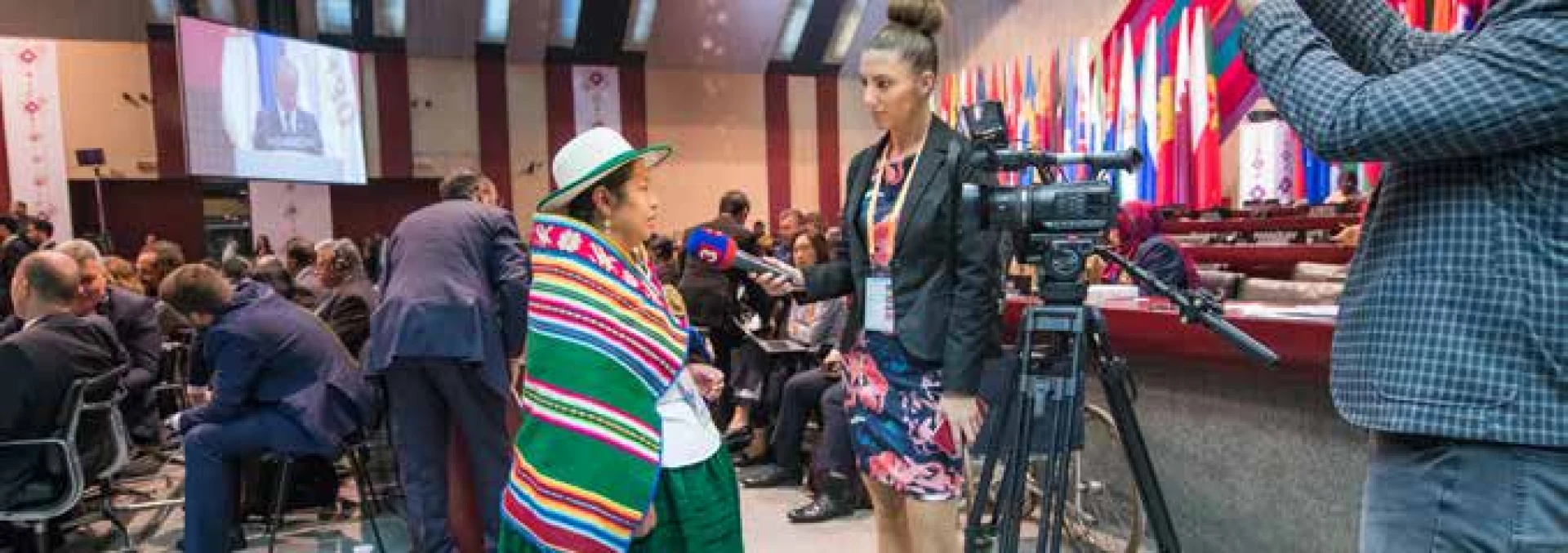
In October 2019, the Republic of Serbia hosted the 141st Assembly of the Inter-Parliamentary Union. The Belgrade session was held on the 130th anniversary of this oldest and largest international parliamentary organisation.
3.Participation of the Republic of Serbia in the work of the Inter-Parliamentary Union
The National Assembly of the Republic of Serbia regularly participates in the work of the Inter- Parliamentary Union and its working bodies. The Secretary General of the National Assembly participates in the work of the IPU’s Association of Secretaries General of Parliaments.
The National Assembly participates in the work of the IPU through its standing delegation registered with the Union.
The current composition of the National Assembly delegation fully reflects the intentions and standards of the Inter-Parliamentary Union, including, inter alia, gender equality and balanced representation, as the Serbian delegation of nine members includes five women MPs.
The National Assembly is fully committed to the goals of the Inter-Parliamentary Union as defined in its Statutes and Rules and other documents and, in this context, plans and coordinates its participation in the Union’s activities.
This primarily involves the promotion of peace and active international cooperation, as well as the advancement of democracy, democratic institutions, and the rule of law. In this regard, the efforts of the Inter- Parliamentary Union—through its resolutions, activities, and adherence to international law—play a key role in guiding the work of the delegation of the National Assembly of the Republic of Serbia.
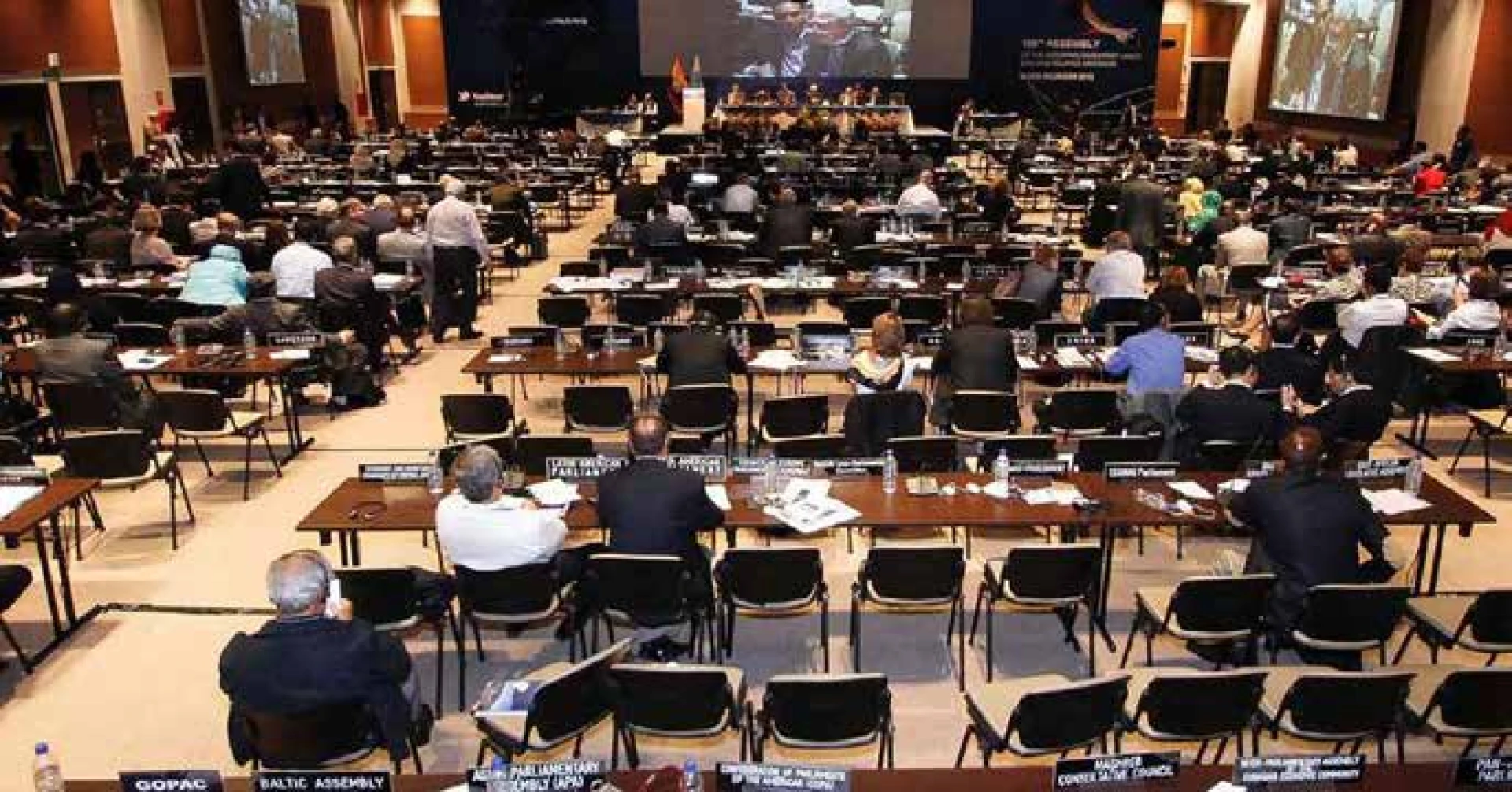
The significance of the Inter-Parliamentary Union is manifold. Firstly, it is a parliamentary organization with 183 member states, giving it special global significance.
It serves as a global forum for parliaments and parliamentarians, where discussions and decisions resonate worldwide. Secondly, the IPU has a long-standing tradition of developing cooperation and preserving peace among parliaments around the world.
It is one of the oldest international organisations and the oldest parliamentary organisation promoting high values among parliaments and parliamentarians for 137 years.
Finally, it is important to highlight the significance of the issues addressed, which reflect the key challenges of our time—ranging from international peace and security, sustainable development and the fight against poverty, to global pandemics and disease, good governance, the rule of law and respect for human rights, as well as the status of young people, the promotion of gender equality, and raising awareness of environmental issues. Because of this, as well as many other factors thatdefine the IPU today, the active engagement of all Members of Parliament is needed to empower and strengthen the organization, ensuring it continues on the right path in the future.
Mladen Grujić
Member of the Committee on the Human Rights of Parliamentarians
Ivana Stamatović
Member of the Bureau of the Forum of Young Parliamentarians